Endoscopy in Nigeria: A Simple Guide to the Procedure, Costs and What to Expect
Learn what an endoscopy involves, the different types, what it can detect, and what affects the cost of the procedure in Nigeria.
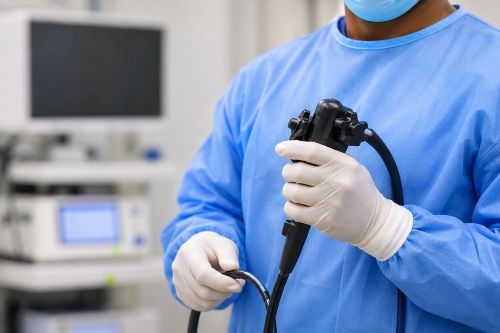
A doctor may recommend an endoscopy to investigate symptoms such as persistent abdominal pain, difficulty swallowing, unexplained vomiting, or bleeding from the digestive tract. The procedure allows doctors to examine certain parts of the body, identify abnormalities, and sometimes provide treatment.
If you have been advised to undergo an endoscopy, you may be wondering what the test involves, whether it is painful, how much it costs, or where you can have it done in Nigeria.
Endoscopy services are available at selected public hospitals, teaching hospitals, and private specialist facilities across Nigeria. However, the types of procedures offered, costs, and appointment requirements vary between hospitals.
This guide explains what an endoscopy involves, the different types, what it can detect, and what you should know before arranging the procedure.
What Is an Endoscopy?
An endoscopy is a medical procedure in which a doctor uses an instrument called an endoscope to examine internal structures of the body. The instrument typically has a small camera and a light that transmit images to a screen, allowing the doctor to see the area being examined.
Depending on the type of endoscopy, the instrument may be introduced through the mouth, nose, anus, or a small surgical opening.
Although endoscopy refers to several different procedures, the term is commonly used to describe an examination of the upper digestive tract, including the oesophagus, stomach, and first part of the small intestine.
This particular examination is called an upper gastrointestinal (GI) endoscopy, or gastroscopy.
Apart from examining internal structures, doctors can use certain endoscopic procedures to collect tissue samples, remove abnormal growths, or treat bleeding.
What Are the Different Types of Endoscopy?
There are several types of endoscopy, each designed to examine a particular part of the body.
Upper GI Endoscopy
An upper GI endoscopy examines the oesophagus, stomach, and duodenum, which is the first part of the small intestine.
Doctors may recommend this procedure to investigate persistent upper abdominal pain, difficulty swallowing, unexplained vomiting, or suspected gastrointestinal bleeding.
Lower GI Endoscopy
Lower gastrointestinal endoscopy includes procedures such as colonoscopy and flexible sigmoidoscopy.
A colonoscopy examines the rectum and large intestine, while flexible sigmoidoscopy focuses on the rectum and lower part of the colon. These procedures may be recommended for unexplained rectal bleeding, persistent changes in bowel habits, or suspected abnormalities of the large intestine.
Nasal Endoscopy
Nasal endoscopy is commonly performed by ear, nose, and throat (ENT) specialists to examine the nasal passages and related structures.
It may help investigate persistent nasal obstruction, recurrent sinus problems, nasal polyps, or certain causes of nosebleeds.
Capsule Endoscopy
Capsule endoscopy involves swallowing a small capsule containing a miniature camera that captures images as it travels through the digestive tract.
It is particularly useful for examining the small intestine and investigating certain causes of unexplained gastrointestinal bleeding. This specialised procedure may not be available at every hospital offering endoscopy services in Nigeria.
What Diseases Can an Endoscopy Detect?
Endoscopy can help doctors identify abnormalities that may not be visible during a routine physical examination.
Depending on the type of procedure, conditions that may be detected include:
- Gastritis: Inflammation of the stomach lining.
- Peptic ulcers: Sores affecting the stomach or duodenum.
- Oesophagitis: Inflammation of the oesophagus, sometimes associated with acid reflux.
- Gastrointestinal bleeding: Bleeding from ulcers, abnormal blood vessels, or other lesions.
- Inflammatory bowel disease: Conditions such as ulcerative colitis and Crohn's disease, which may cause inflammation of the digestive tract.
- Polyps: Abnormal tissue growths that may require further examination or removal.
- Suspected cancers: Abnormal growths in areas such as the oesophagus, stomach, or colon.
The conditions identified depend on the area being examined. For example, upper GI endoscopy is used to assess the upper digestive tract, while colonoscopy examines the large intestine.
Can Endoscopy Detect Cancer?
Yes. Endoscopy can help doctors identify suspicious growths or abnormal tissue that may indicate cancer.
However, finding an abnormality during an endoscopy does not automatically mean that cancer is present. Doctors may need to collect a biopsy, which is a small tissue sample examined in a laboratory, to confirm the diagnosis.
During an upper GI endoscopy, doctors may also collect stomach tissue samples to test for Helicobacter pylori (H. pylori), a bacterium associated with gastritis and peptic ulcers. However, H. pylori can often be diagnosed using non-invasive tests without an endoscopy.
Is Endoscopy Painful, and How Long Does It Take?
One of the most common concerns patients have is whether an endoscopy will be painful.
An upper GI endoscopy is generally not severely painful, although some people experience discomfort, gagging, or a sensation of pressure as the instrument passes through the throat.
Depending on the procedure and hospital, a local anaesthetic throat spray, sedation, or both may be used to improve comfort.
During a colonoscopy, patients may experience abdominal bloating, pressure, or cramping. Sedation may also be offered.
How Long Does an Endoscopy Take?
The duration depends on the type of examination and whether additional procedures are required.
A routine upper GI endoscopy often takes approximately 5–15 minutes, while a colonoscopy commonly takes around 30–60 minutes.
However, the total time spent at the hospital is usually longer because of registration, preparation, and recovery. Patients who receive sedation may need additional monitoring before going home.
How Much Does an Endoscopy Cost in Nigeria?
The cost of an endoscopy test in Nigeria varies depending on the hospital, the type of procedure, and whether additional investigations or treatments are required.
For example, the price of an upper GI endoscopy may differ from that of a colonoscopy or capsule endoscopy.
Several factors can influence the total cost:
- Type of hospital: Public teaching hospitals, specialist centres, and private hospitals may have different charges.
- Type of procedure: Upper GI endoscopy, colonoscopy, and specialised procedures have different equipment and resource requirements.
- Sedation or anaesthesia: Some facilities charge separately for sedation and monitoring.
- Biopsy and laboratory testing: Tissue sampling, histology, and H. pylori testing may attract additional fees.
- Additional treatment: Procedures such as polyp removal or control of bleeding may increase the overall cost.
If you are comparing endoscopy prices in Nigeria, it is important to confirm what the quoted amount includes.
For instance, a hospital may provide a price for the examination alone, while consultation, sedation, and laboratory investigations are billed separately.
The same applies when comparing upper GI endoscopy costs in Abuja, Lagos, Port Harcourt, or other Nigerian cities.
Because hospital charges can change, patients should request an updated quotation directly from the facility before making an appointment.
How Do You Prepare for an Endoscopy?
Preparation depends on the type of endoscopy you are undergoing.
For an upper GI endoscopy, patients are usually instructed to avoid eating for several hours before the examination. The hospital will provide specific instructions about when to stop eating and drinking.
For a colonoscopy, preparation typically involves dietary adjustments and prescribed bowel-cleansing medication to empty the large intestine.
Before your appointment, inform the medical team about any medications you take, particularly blood thinners and medicines used to manage diabetes. You should also mention relevant medical conditions, allergies, and previous reactions to sedation.
If sedation is planned, you may need someone to accompany you home, and you should avoid driving for the period specified by your medical team.
During the examination, the doctor carefully introduces the endoscope and examines the relevant structures using images displayed on a screen. If necessary, a small tissue sample may be collected for laboratory testing.
Afterwards, the medical team will explain any immediate findings and provide instructions about recovery and follow-up.
Is Endoscopy Dangerous?
Endoscopy is generally considered safe when performed by appropriately trained healthcare professionals. However, like other medical procedures, it carries some risks.
Possible complications include bleeding, infection, reactions to sedation, or injury to the area being examined.
An uncommon but potentially serious complication is perforation, which occurs when a tear develops in the wall of the digestive tract.
The likelihood of complications depends on the type of endoscopy, the patient's medical condition, and whether additional interventions are performed.
Your doctor should explain the benefits and potential risks before the procedure.
After gastrointestinal endoscopy, seek urgent medical attention if you experience severe or worsening abdominal or chest pain, difficulty breathing, fever, significant bleeding, or persistent vomiting.
Where Can You Get an Endoscopy in Nigeria?
Endoscopy services are available at selected teaching hospitals, tertiary healthcare facilities, specialist centres, and private hospitals across Nigeria.
However, not every hospital provides every type of endoscopy. A facility offering upper GI endoscopy may not necessarily provide colonoscopy, capsule endoscopy, or more advanced therapeutic procedures.
Gastroenterologists are specialists who diagnose and manage conditions affecting the digestive system. If you have been advised to undergo an upper GI endoscopy or colonoscopy, a gastroenterology clinic may be an appropriate place to begin.
You can explore gastroenterology and other specialist clinics in Nigeria through FindClinicDays.
Before choosing a hospital, it is helpful to confirm the specific procedure available, whether a specialist consultation or referral is required, the expected cost, and any preparation instructions.
Some facilities allow patients to arrange a specialist consultation directly, while others require an initial assessment or referral before scheduling the procedure.
Disclaimer
This article is provided by FindClinicDays for general health information and educational purposes only. It is not a substitute for professional medical advice, diagnosis, or treatment.