What Happens at an Antenatal Clinic in Nigeria?
Find out what happens at an antenatal clinic in Nigeria, which tests to expect at your first visit, and when antenatal care starts.
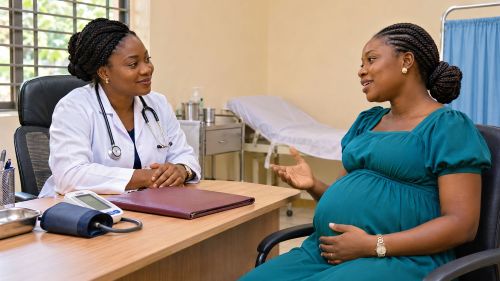
An antenatal clinic is where you go for regular check-ups during pregnancy. At an antenatal visit, your healthcare team checks your health, monitors your baby’s growth as the pregnancy progresses, and helps you prepare for delivery. Your first visit usually takes longer than a follow-up because it includes registration, a review of your medical history, and requests for routine tests.
What happens at your first antenatal visit?
In Nigeria, registering for antenatal care is often called antenatal booking. Some facilities register new patients on specific days, so it’s worth calling ahead to find out when to go and where to report when you arrive.
Once you’ve registered, a healthcare professional will usually ask about the first day of your last menstrual period, any previous pregnancies and deliveries, and any medical conditions you have. You may also be asked about medicines, supplements, allergies, and any symptoms you’ve noticed. This helps your care team estimate your due date and decide whether you need additional checks or closer follow-up.
Your first antenatal check-up will usually include a blood pressure check and a weight measurement. High blood pressure can develop without obvious symptoms, which is why it’s checked regularly during pregnancy. Depending on how far along you are, the healthcare professional may also examine your abdomen and listen to your baby’s heartbeat.
What tests are done at the first antenatal visit?
The tests you’re offered depend on the facility, how far along you are, and any results you already have. Common antenatal investigations include:
- Blood tests. These may check for anaemia, determine your blood group and Rhesus (Rh) status, and screen for infections such as HIV, syphilis, and hepatitis B.
- Urine tests. A urine sample may be checked for protein or signs of a urinary tract infection.
- An ultrasound scan. An early pregnancy scan can help estimate how far along you are and check whether you’re carrying more than one baby. The scan may be scheduled for a separate day.
You may also receive advice on nutrition, supplements, vaccinations, and malaria prevention during pregnancy. Before you leave, ask when your results will be ready, how they’ll be reviewed, and when you should come back.
What happens at follow-up antenatal visits?
At a follow-up visit, your healthcare team will ask how you’ve been feeling, review any outstanding test results, and check your blood pressure. As your pregnancy progresses, they may measure your abdomen to monitor your baby’s growth, listen to the heartbeat, and ask about your baby’s movements.
Later visits also give you time to discuss where you’ll deliver, what to do when labour starts, and where to go if you need urgent maternity care. Your healthcare team may schedule more frequent visits if you have a condition such as high blood pressure or diabetes or if your pregnancy needs closer monitoring.
When should you start antenatal care?
The World Health Organization recommends having your first antenatal visit within the first 12 weeks of pregnancy and having at least eight antenatal contacts. The usual schedule is a first visit within 12 weeks, followed by visits at 20, 26, 30, 34, 36, 38, and 40 weeks. If you’re already past 12 weeks and haven’t booked, contact an antenatal clinic to arrange your first appointment.
How to find an antenatal clinic near you in Nigeria
You can find antenatal services at primary healthcare centres, general hospitals, teaching hospitals, and private facilities. Use FindClinicDays to explore facilities near you.
Disclaimer
This article is for general informational purposes only and does not constitute medical advice.
Reference
World Health Organization Regional Office for Africa. (2024). Antenatal care for a positive pregnancy experience: Health worker training facilitator’s manual.